About
Dr Michelle Joosse — helping people think more clearly and make better decisions
Author of Digital Beliefs, researcher and experienced business leader exploring how beliefs, trust and digital information influence decision-making.
Michelle works with leaders, organisations and audiences who want to better understand the assumptions, information and influences shaping their judgement.
Her work combines research with practical leadership experience to help people question more carefully, consider different perspectives and make more conscious decisions.
She does not tell people what to think. She helps them become more aware of how they think.
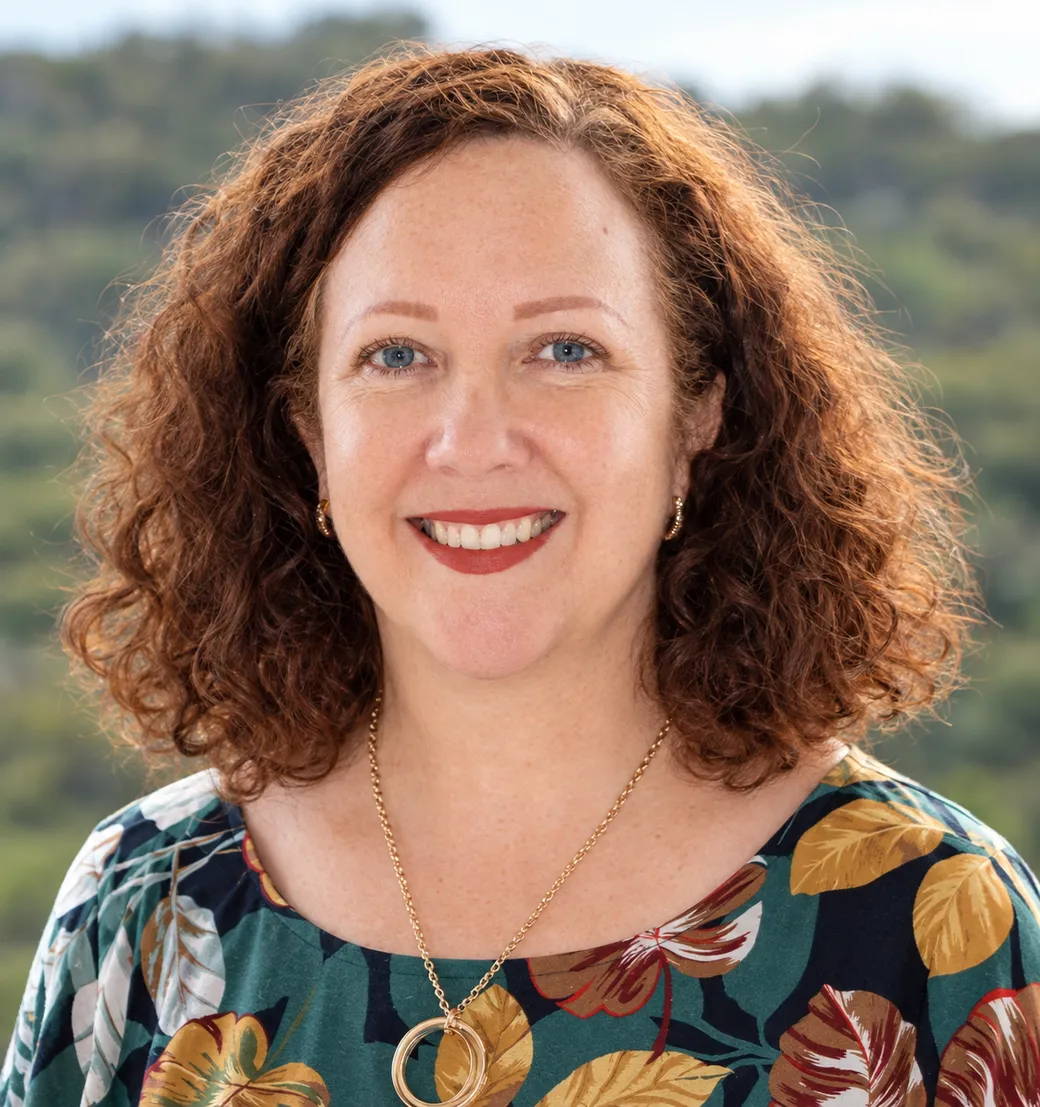
Who is Dr Michelle Joosse?
Researcher. Business leader. Author. Problem-solver.
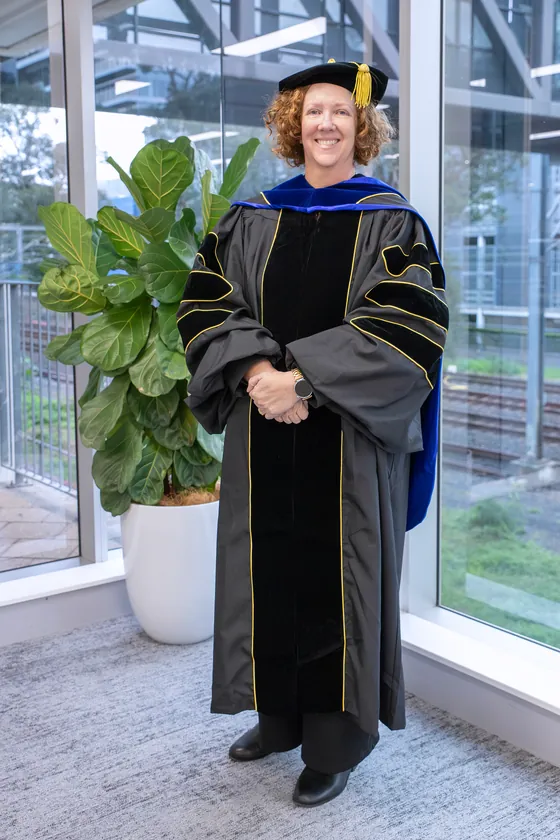
Michelle has spent her career trying to understand problems well enough to do something useful about them.
Her background spans finance, technology, governance, organisational transformation and the social sector. She has held CEO, COO and CFO responsibilities across strategy, financial performance, technology, people, operations and risk, including leading a technology business across Australia and the Philippines.
That experience taught her that good decisions rarely depend on information alone. People bring assumptions, previous experiences, relationships, beliefs and different interpretations to the same situation.
Her research into trust and belief gave her a deeper way to understand those influences. Today she brings those two worlds together:
the practical judgement of an experienced leader and the curiosity of a researcher willing to question her own conclusions.
- 30+ years
- Business & executive leadership
- PhD
- Philosophy · MCom Macquarie · BBus Monash
- FCPA · GAICD
- CPA Australia · Australian Institute of Company Directors
- 2025
- Excellence in Innovation Award — Disability Sector
What Michelle helps people and organisations do
See what may be influencing the decision before making it
Michelle's work becomes useful when the problem is not simply a lack of information. Sometimes the information is already there. What matters is how people are interpreting it.
Her work helps individuals become more conscious of the beliefs and assumptions influencing their judgement; helps leaders examine what may be affecting strategy, culture, risk and change; and helps teams create conversations where different perspectives can be explored without disagreement immediately becoming defensiveness.
Michelle describes the objective simply: make the research practical, relevant and useful.
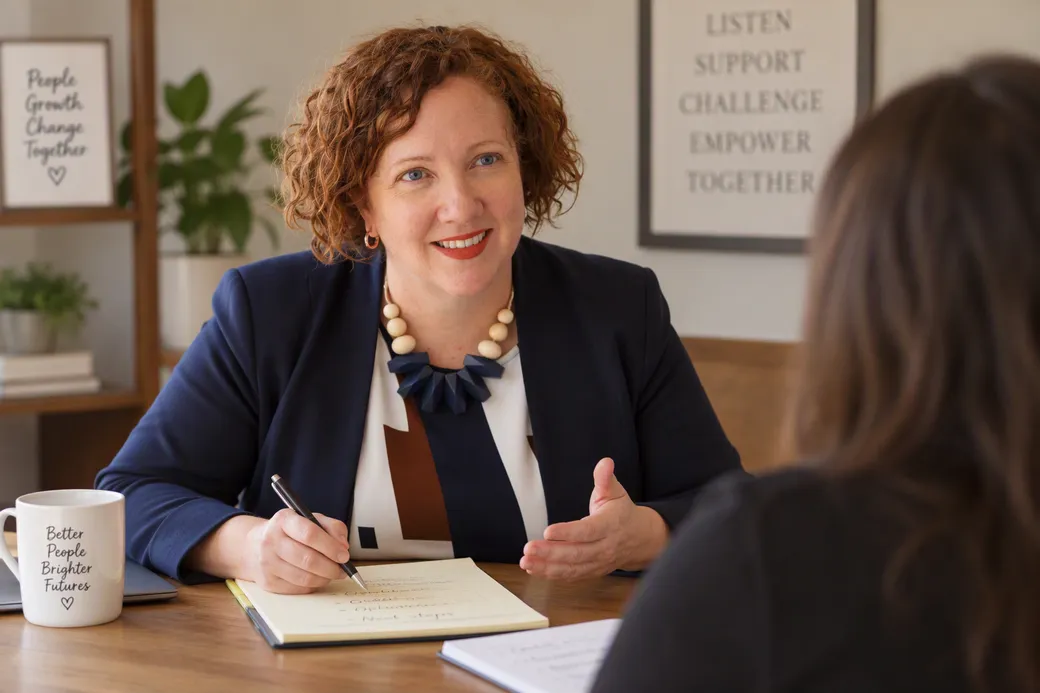
She brings these ideas to clients through
Keynote speaking
Thought-provoking conversations about Digital Beliefs, trust and decision-making.
See the keynoteWorkshops
Deeper exploration of assumptions, information habits and judgement, with practical tools and takeaways to help turn workshop insights into lasting changes in everyday thinking and decision-making.
Ask about a workshopLeadership conversations
Practical discussions with leaders and teams facing decisions, change or disagreement.
Ask about leadership conversationsHow does Dr Michelle Joosse approach better decision-making?
Better thinking begins with self-awareness
Our decisions are shaped not only by the information we receive, but by the lens through which we interpret it.
That leads to five principles.
Her central belief
“Better decisions don't begin with proving someone else wrong. They begin with being willing to question whether we might be wrong ourselves.”
- We see the world through a lens. Our beliefs, identity, experiences and information environment affect how we interpret what we encounter.
- More information does not automatically mean better decisions. What matters is how we evaluate it.
- Certainty is not the same as understanding. Feeling convinced does not guarantee that we have considered everything.
- Self-awareness improves judgement. We need to examine our own thinking, not simply identify faults in other people's judgements.
- Changing your mind can be good judgement. A willingness to reconsider when the evidence changes is a strength.
Digital Beliefs
Her first book grew from years of research and one persistent question
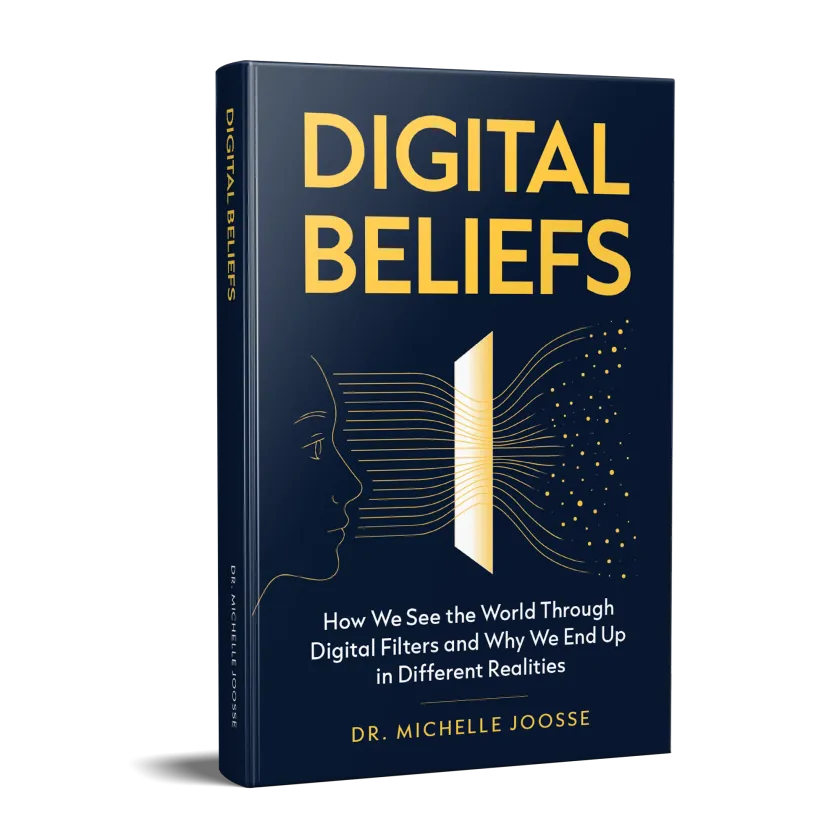
Digital Beliefs: How We See the World Through Digital Filters And Why We End Up in Different Realities grew from Michelle's doctoral research into trust in information.
Her research brought together psychology, sociology, behavioural economics, leadership, media studies, philosophy, education and information science.
The underlying discovery was that people do not experience these influences separately. How we think, who we are, what we have experienced and the information environments surrounding us constantly interact.
That led to Michelle's CID³T Framework — Cognition, Identity, Digital Systems and Trust — and to a wider body of work about how people form beliefs, decide what to trust and make decisions.
The research also changed Michelle herself. She began by examining other people's thinking.
She eventually realised she had to examine her own.
Discover Digital BeliefsAbout Dr Michelle Joosse — common questions
Dr Michelle Joosse is an Australian researcher, business leader and author of Digital Beliefs. Her work focuses on belief, trust, digital information and better decision-making.
Michelle works with leaders, organisations and audiences through keynote speaking, workshops and leadership conversations, translating her research into practical ways to examine judgement and decision-making.
Digital Beliefs explores how cognition, identity, experience and digital systems influence what people believe, what they trust and the decisions they make.
Michelle helps leaders and teams become more aware of assumptions influencing decisions, consider different perspectives and create more thoughtful conversations around trust, change and judgement.
Better thinking can change what happens next
Michelle's aim is not to eliminate belief, uncertainty or disagreement.
It is to help people understand their own thinking well enough to know when to trust a judgement, when to challenge it and when new evidence means it is time to think differently.